
Quick recap: the stock market did a little Nintendo shimmy
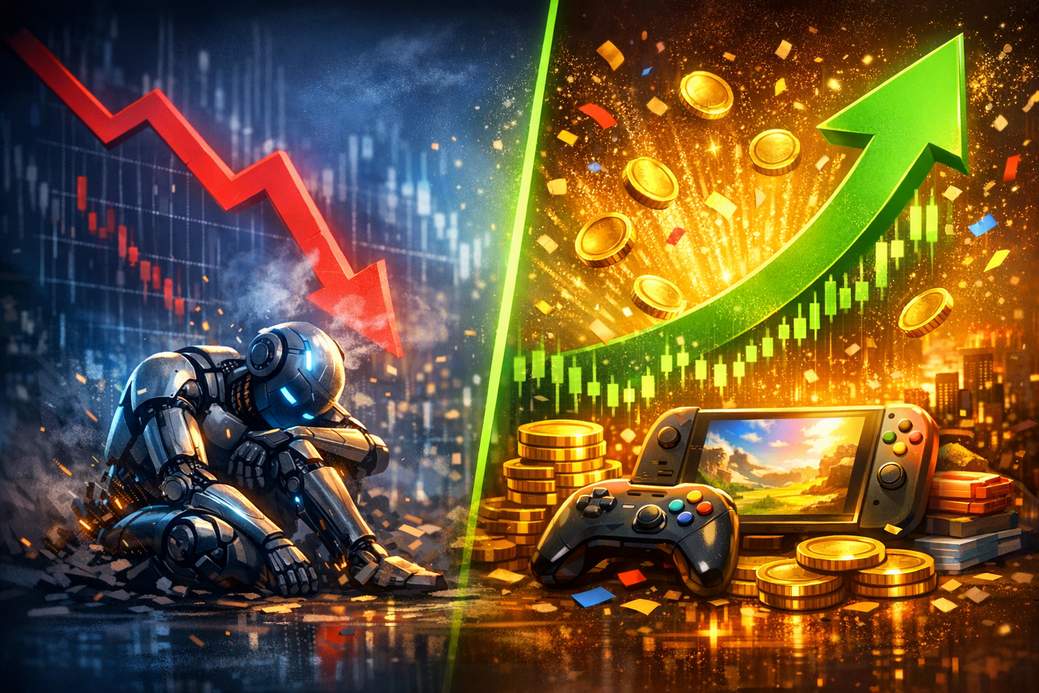
In case you missed the ticker drama, Nintendo’s shares popped by about 6.8% on the Tokyo Stock Exchange, capping a three-day winning streak. The funny part? This surge has more to do with investors getting bored (or suspicious) of flashy AI plays than with any sudden Super Mario miracle.
Why everyone is stepping away from the AI party
Investors are showing signs of what some call “AI fatigue.” The logic: AI has been expensive to chase and hasn’t guaranteed tidy profits for everyone. With giant chip makers under the microscope and big quarterly reports looming, money is trickling back into beaten-up but steady names — like video-game companies — that suddenly look like bargains.
Nintendo and its compatriots catch the wave
It wasn’t just Nintendo catching a lift. Other Japanese gaming firms, like Bandai Namco and Konami, climbed noticeably too — each up by roughly nine percent in similar stretches. That suggests a broader move into the sector rather than a one-off Nintendo flex.
A celebrity shout-out for Switch 2 (yes, from NVIDIA’s boss)
In an eyebrow-raising moment, NVIDIA’s CEO praised the Switch 2 chip, calling it a technological marvel — high praise from a titan of silicon. That kind of endorsement fuels buzz, but it doesn’t automatically erase concerns about costs and pricing.
So what’s the cautious voice saying?
Analysts are upbeat about the short-term rally but not ready to declare a full comeback. Nintendo has been hit by supply headaches (memory chip woes) and the need to raise Switch 2 prices because of higher component costs. On top of that, its upcoming game slate hasn’t convinced everyone yet, so any real turnaround depends on product wins and costs settling down.
Numbers and signals to watch
Here’s what investors are eyeballing: the stock’s short-term gain, the three-day streak, the relative strength of other gaming names, and a general rotation out of overheated tech. But crucially, people are also watching earnings from big chip companies for signs that the AI boom is easing.
Where Nintendo stands creatively and commercially
Hardware-wise, Switch 2 sales have crossed the 19 million mark, and the game library keeps expanding — plus, Nintendo’s IP is doing great in other arenas (two Mario movies crushed it at the box office). Still, skeptics want to see sustainable momentum from actual Nintendo releases and lower component bills before they call it a comeback.
Bottom line (in plain, snackable terms)
Nintendo’s recent stock bump feels like a mix of bargain hunting and relief that some tech hype trains are slowing down. It’s a nice vote of confidence, but it’s more a case of creditors saying, “Okay, maybe this is safer” than a full-throated cheer for Nintendo’s future. In short: good vibes, cautious optimism, and a reminder that markets sometimes celebrate the fall of one shiny toy by applauding the steady old one.