
Why pick a handheld? Because the DS made multiplayer ridiculously easy
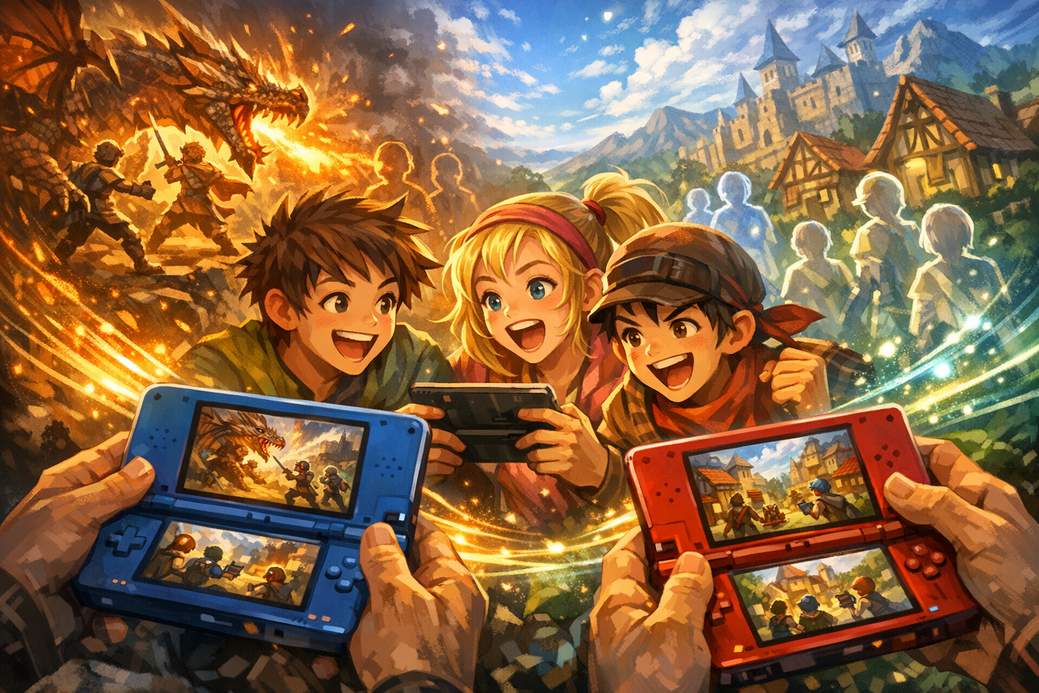
After the big, shiny 3D world of Dragon Quest VIII, putting the next mainline game on a dual-screen handheld sounded bonkers to a lot of people. But Yuji Horii had a simple, practical reason: the Nintendo DS let players connect with each other instantly. No fiddly setup, no router nightmares — just turn the console on and you were in someone’s pocket-sized lobby.
Players were confused, critics were louder
The announcement didn’t land as Horii hoped. Fans who expected another full-blown console epic felt let down by the move to a handheld. It looked underwhelming on paper, and the initial reaction was a mixture of confusion and disappointment.
The DS version launched in Japan on July 11, 2009, and its local multiplayer features were the headline — a risky bet that actually left a lasting mark. The idea of bumping into other players and sharing experiences on the go helped inspire features like StreetPass on later Nintendo systems.
The aftermath: critics, comebacks, and a long-running franchise
Horii admitted the backlash stung a bit, but the gamble showcased a different kind of creativity: designing a game around social, local play rather than raw graphical muscle. Years later, he’s still steering the series and Square Enix keeps mining its back catalog for remakes and fresh takes.
Newer releases like Dragon Quest XI S have continued to hop between platforms (now even moving toward the next Switch hardware), and older entries are regularly considered for modern remasters. Titles like Sentinels of the Sky are among the classics fans hope to see revived — would you want that comeback?
Short and silly wrap-up
So, no, Dragon Quest IX wasn’t a mistake — it was a design choice shaped by what the DS did best: make connecting with people easy and fun. And whether you grumbled at the time or loved the portable chaos, it changed how the series — and Nintendo — thought about playing together.