
Meet the idea: booster packs as pocket change
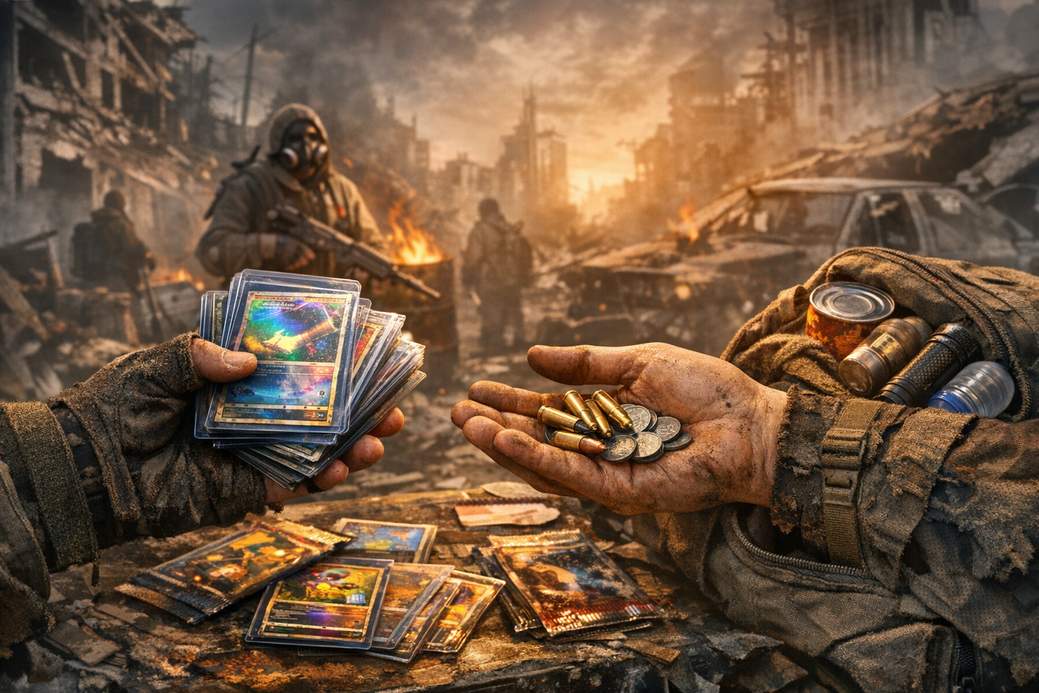
Picture this: society collapses, Wi‑Fi dies, and instead of gold bars people are haggling over mint‑condition Charizards. Sounds bonkers? That’s exactly the playful yet slightly serious claim coming from a big‑time games investor who also happens to be a mega collector.
The collector who thinks cards beat the stock market
Peter Levin, a co‑founder at Griffin Gaming Partners, isn’t just an investor — he’s obsessed. He says his personal stash tops half a million cards, and he argues the market for these paper critters has blown past traditional investments by a huge margin. In his telling, Pokémon started in Japan, went global, took a few dips, and then kept growing into a collector’s gold rush.
Why people see real value in cardboard
There are a few reasons collectors get excited: packs are affordable, anyone can open one and hit the jackpot, and rarity stories travel fast. That mix of accessibility and scarcity is what keeps people buying, trading, and, yes, speculating — the same forces that turn things into valuable collectibles over time.
Big money, stranger stories
The market has produced some jaw‑dropping sales. For example, a very rare Pikachu Illustrator card sold for roughly $16.5 million in early 2026 after changing hands a few times — a headline‑making price that makes other collectibles look like pocket lint. When expensive cards show up at auction, they validate the idea that some cardboard can be worth actual, cold hard cash.
The flip side: scams, resellers and rule changes
It’s not all sunshine and mint foils. The craze attracts scammers, counterfeiters, and aggressive resellers who try to corner limited drops. Nintendo and The Pokémon Company have noticed the problem and started taking steps to limit mass scalping of ultra‑rare items — because when an item is worth thousands (or millions), people get creative in ways that aren’t very fun.
The next big test
Collectors are already eyeing the Pokémon TCG 30th Anniversary expansion as a major moment: any reprints or surprise promos could shift prices and sentiment. New releases like that often act as market litmus tests — will prices stabilize, spike, or tumble when a fresh wave of cards hits the hobby?
So, would you pack a booster in your bug‑out bag?
At the end of the day, treating cards like a post‑apocalypse currency is part tongue‑in‑cheek, part serious. They’re portable, tradable, and carry cultural value — all handy traits in a barter situation. But they’re also fragile, easy to fake, and rely on people still caring about Pokémon when the lights go out.
Would you stash a Pikachu among the canned beans? Be honest — collectors and end‑of‑the‑world prepper communities would both like to know.